
ICPOutbound
Featured
B2B Ideal Customer Profile: An Outbound Guide
Build a B2B ideal customer profile your outbound team can actually use. Learn how to score fit, add trigger signals, define an anti-ICP, and test each segment.
7 min read
Specific, opinionated writing on ICP, messaging, Clay, sequencing, qualification, and the metrics worth watching during a pilot.
Build a B2B ideal customer profile your outbound team can actually use. Learn how to score fit, add trigger signals, define an anti-ICP, and test each segment.

A week-by-week operating plan for the first 90 days of an outbound program — what to build in weeks 1–4, what to test in weeks 5–8, what to decide in weeks 9–12. Designed for Seed-stage founders running outbound for the first time.

60% of developers have the authority to approve or reject a tool purchase. They also pattern-match on sales language faster than any other B2B buyer. Here's how to run outbound for technical audiences — engineers, platform leads, CTOs — without getting filtered as marketing in the first sentence.

Apple Mail Privacy Protection now inflates open rates by 15–35%, with more than half of email opens happening on a device with MPP active. Open rate stopped being a signal years ago. Here's the metric replacement that founders should be tracking in 2026.

Trigger-based outreach reply rates run 15–25%, vs. 1–3% for untargeted outbound. But not every public signal is a real trigger. Here's the field guide to the triggers that actually move pipeline in 2026 — and the ones that look interesting but don't.

The 'multi-channel outbound' advice everyone repeats is too generic to act on. Here's a real allocation framework — based on cold email, InMail, and call reply rate data — for how Seed–Series A teams should split outbound effort across email, LinkedIn, and phone.
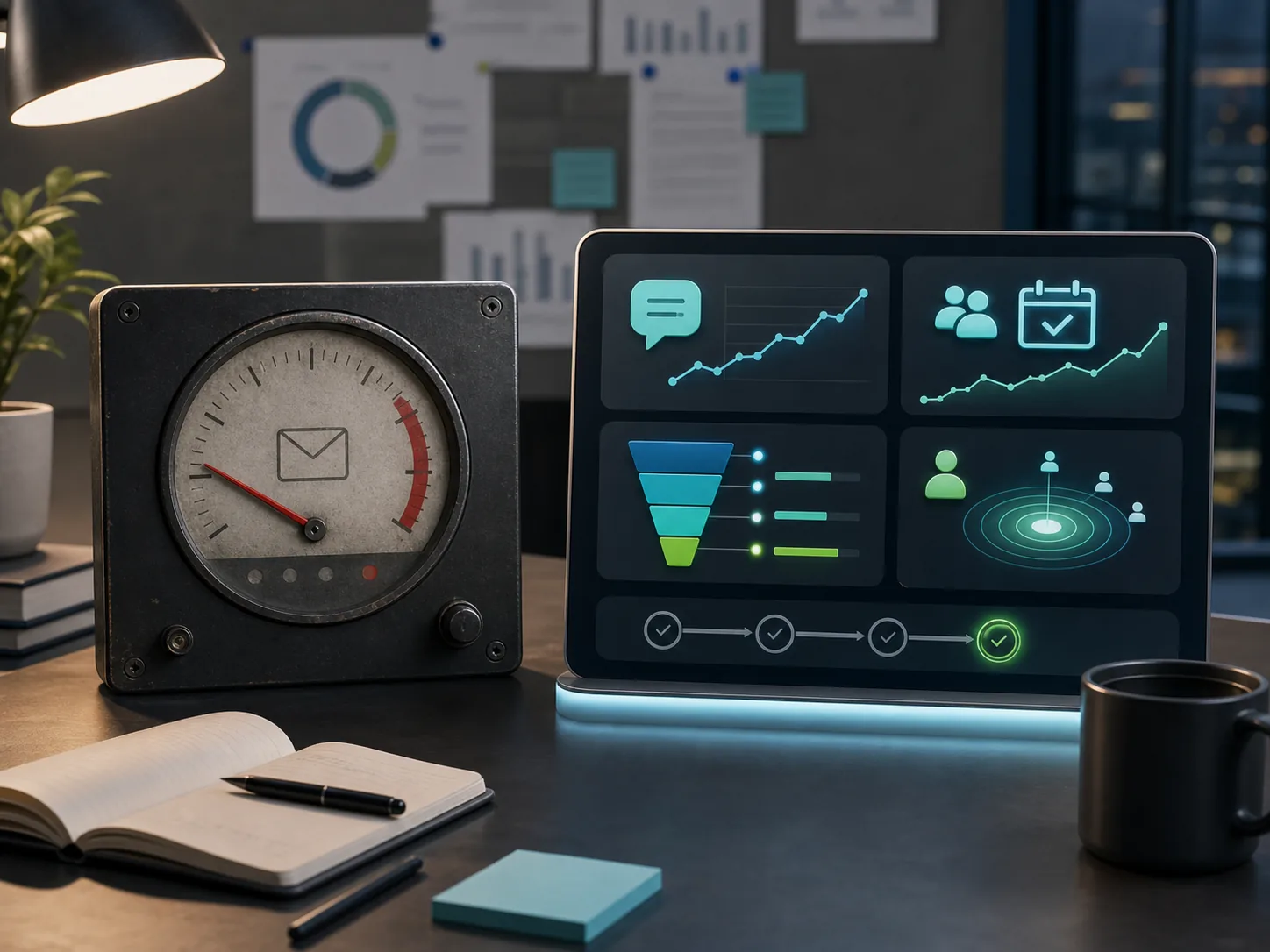
Hiring an SDR before you've proven the motion is one of the most expensive mistakes early-stage teams make. Test the system first, then hire against evidence.

Most teams who say outbound 'doesn't work for us' have actually never run a test that would tell them. Here's how to separate a broken motion from one you haven't built yet.

Clay makes it possible to send 10,000 personalized emails. That doesn't mean you should. Here's how to use AI-assisted research to sharpen outbound, not industrialize it.
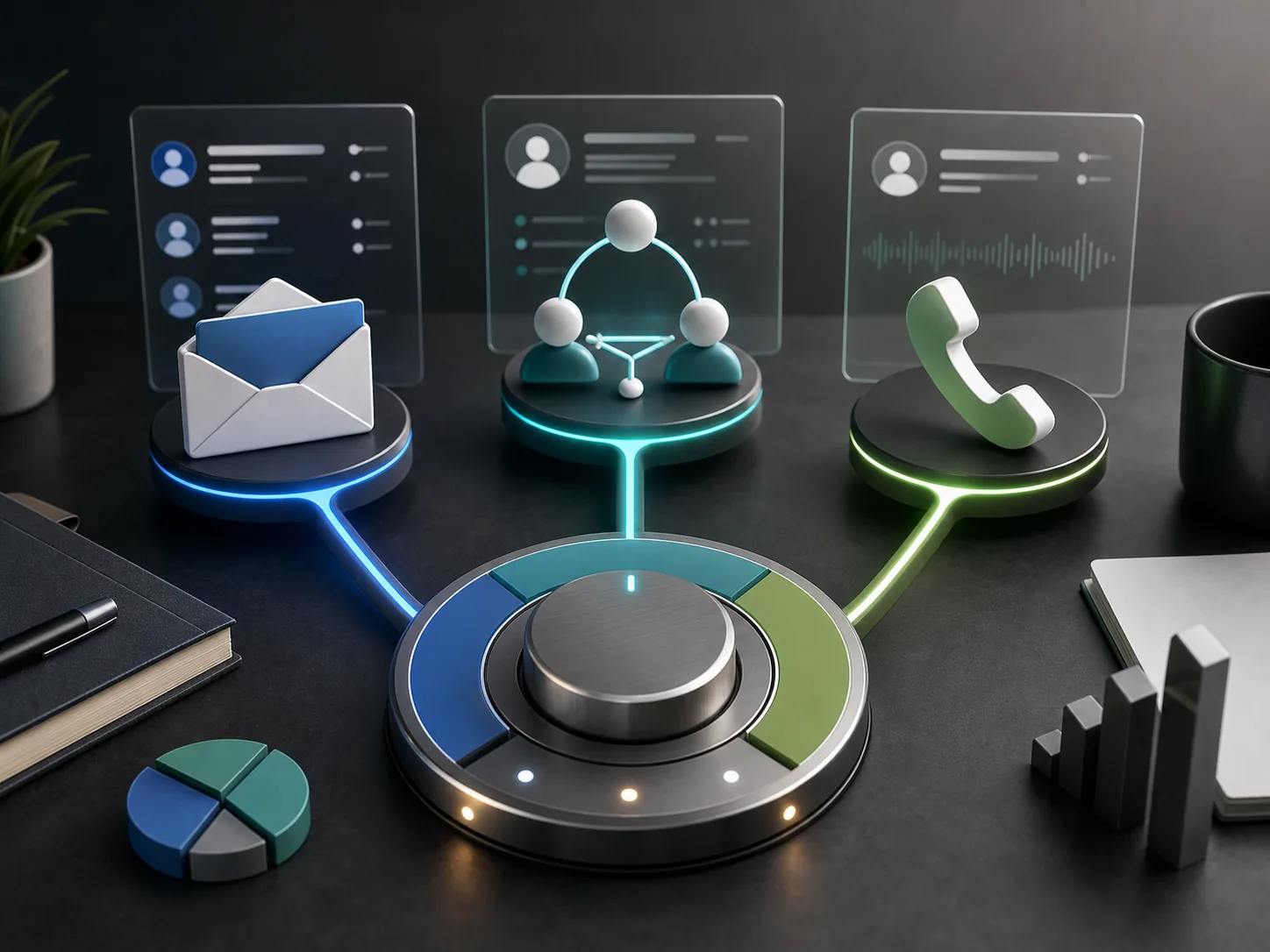
Open rates, click rates, and meetings booked are the wrong primary metrics. Here's what to actually watch during your first six to eight weeks of outbound.

Apollo is a database. Strategy is what you do with it. Most teams confuse the two — and end up emailing 5,000 contacts who never had any reason to care.

Most outbound generates activity, not insight. The teams that get ahead treat every wave as a structured experiment with a question, a hypothesis, and a verdict.

91% of cold outreach emails get no response. The opener is the line that decides whether yours is one of them. Here's the operator framework for writing opening lines that earn the next 20 seconds — without sounding like AI, a template, or every other vendor in the inbox.

Since Gmail and Yahoo's February 2024 sender requirements, cold email is unforgiving of bad infrastructure. SPF, DKIM, DMARC, sub-domains, warmup, list hygiene — here's the deliverability baseline every Seed-stage outbound program needs before the first send.

The default playbook says 'hire cheap, train fast.' At Seed stage that math has flipped. Here's why a senior outbound operator generates more pipeline per dollar than two junior reps — and what the data on quota attainment, ramp, and churn actually says.

Most early-stage outbound runs single-threaded into a buying group of 6–10 people. Forrester's 2026 data puts that group at 13 internal stakeholders and 9 external influencers. Here's how to map a buying committee — and why deals you single-thread mostly stall.
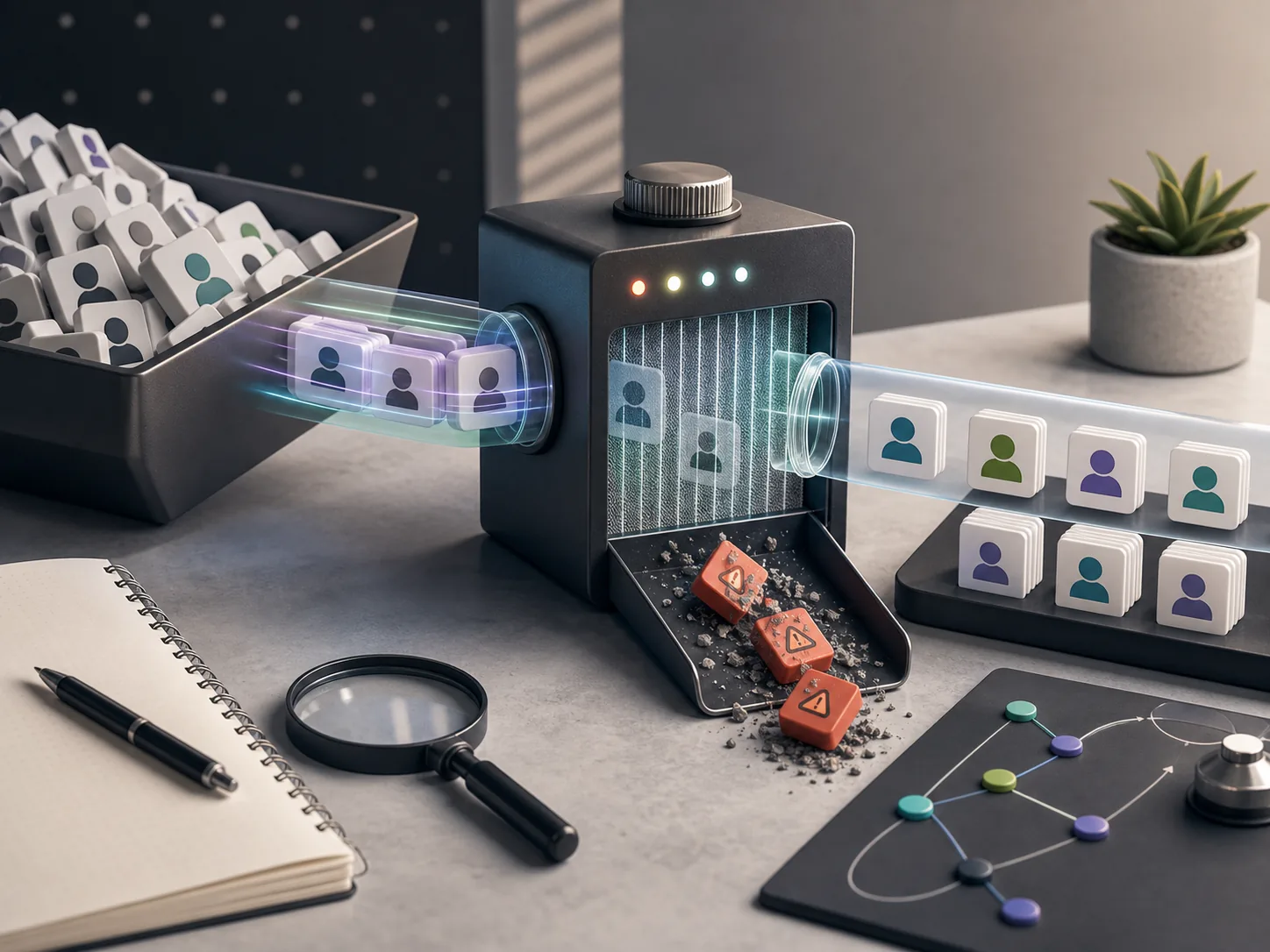
A failed early-stage SDR hire costs more than a year of agency support. Here's the full economics — recruiting, ramp, churn, lost pipeline, and the hidden brand drag — and why most Seed-stage founders should run the motion before they hire it.
Nothing tagged that way yet.
Try a different tag or reset to .
An outbound audit is the fastest way to get a written read on what's working and what isn't in your current setup.